
+86-18668977520
+86-18668977520

Views: 0 Author: Site Editor Publish Time: 2025-09-04 Origin: Site


Have you ever wondered about the differences between silane and tetraethyl orthosilicate? These compounds play crucial roles in various industries. Understanding their differences can impact material selection and safety protocols. In this post, you'll learn about their chemical structures, properties, and industrial applications, helping you make informed decisions in your projects.
Silane, in its simplest form, is silicon hydride with the chemical formula SiH₄. It consists of one silicon atom bonded to four hydrogen atoms arranged tetrahedrally. This basic structure is the foundation for many silicon-based compounds used in various industries. Silane is a gas at room temperature and highly reactive due to the presence of silicon-hydrogen bonds, which readily undergo hydrolysis and oxidation.
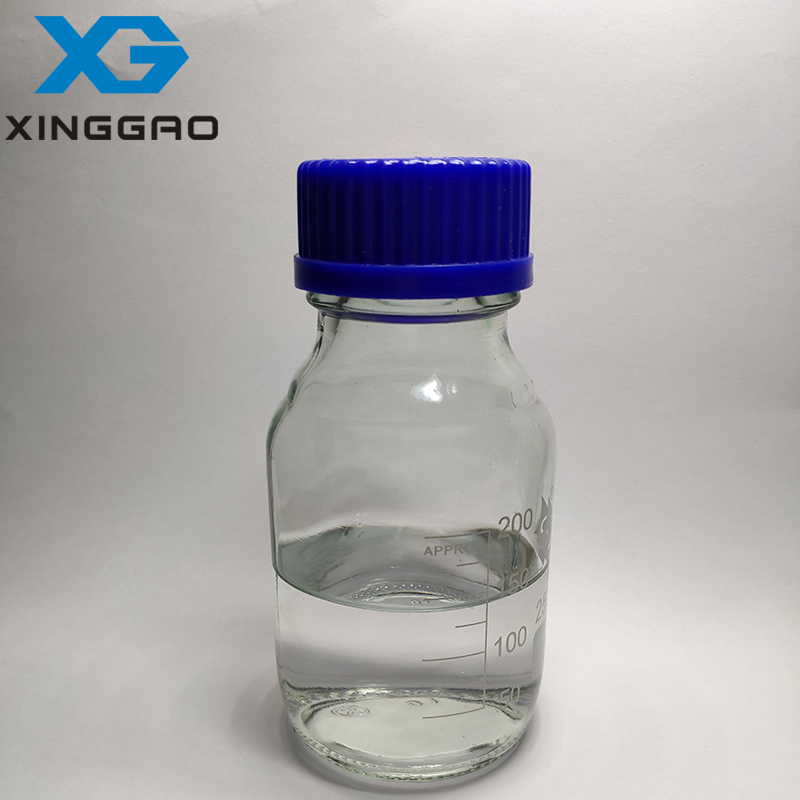
Tetraethyl orthosilicate (TEOS), also known as tetraethoxysilane, has the molecular formula Si(OC₂H₅)₄. It is a colorless liquid where a silicon atom is bonded to four ethoxy groups (–OC₂H₅). This structure forms a tetrahedral geometry similar to silane but replaces the hydrogen atoms with ethoxy groups, making it an alkoxide of silicon. TEOS is widely used as a precursor for producing silicon dioxide (SiO₂) through hydrolysis and condensation reactions, essential in coatings, semiconductors, and glass manufacturing.
Key properties of TEOS include:
Molecular weight: 208.33 g/mol
CAS number: 78-10-4
Formula: Si(OC₂H₅)₄
Appearance: Colorless liquid
Reactivity: Hydrolyzes in water to form silica and ethanol
| Feature | Silane (SiH₄) | Tetraethyl Orthosilicate (Si(OC₂H₅)₄) |
|---|---|---|
| Molecular Formula | SiH₄ | Si(OC₂H₅)₄ |
| Molecular Weight | 32.12 g/mol | 208.33 g/mol |
| Physical State | Gas | Liquid |
| Bonding Groups | Four hydrogen atoms | Four ethoxy groups (–OC₂H₅) |
| Reactivity | Highly reactive, flammable | Reacts with water to form silica and ethanol |
| Usage | Precursor in silicon-based materials | Used in coatings, semiconductors, and as a cross-linker |
The replacement of hydrogen atoms in silane with ethoxy groups in TEOS significantly changes its chemical and physical properties. TEOS is less volatile and more stable than silane, making it easier to handle in industrial processes. Its ability to hydrolyze into silica makes it invaluable in the production of thin films and glassy materials.
Additionally, triethyl orthosilicate, a related compound, contains three ethoxy groups and one other substituent, differing slightly in structure and applications from TEOS. Understanding these subtle differences helps tailor the choice of silicon precursors for specific industrial needs.
Tip: When selecting between silane and tetraethyl orthosilicate for your application, consider their structural differences as they influence reactivity, handling safety, and suitability for processes like sol-gel synthesis or semiconductor manufacturing.
Silane (SiH₄) is a colorless, flammable gas at room temperature. It has a low molecular weight of about 32.12 g/mol, which contributes to its gaseous state under ambient conditions. Silane's boiling point is approximately –112 °C, and it has a high vapor pressure, making it highly volatile. Its density is much lower than air, causing it to rise quickly when released. Because of its silicon-hydrogen bonds, silane is highly reactive and can spontaneously ignite in air, posing significant safety concerns. This reactivity makes it valuable in processes like chemical vapor deposition (CVD) but requires careful handling.
Tetraethyl orthosilicate (TEOS), with the tetraethyl orthosilicate formula Si(OC₂H₅)₄, is a colorless, transparent liquid at room temperature. It has a molecular weight of 208.33 g/mol and a boiling point near 168 °C, reflecting its much larger molecular size compared to silane. TEOS has a density of about 0.933 g/mL at 20 °C and a refractive index of 1.382. Its vapor pressure is low (<1 mmHg at 20 °C), which means it evaporates slowly and is easier to contain during industrial use. TEOS is soluble in organic solvents like ethanol and 2-propanol but reacts with water, hydrolyzing to form silica and ethanol. This property is central to its use in sol-gel processes and coatings.
Silane’s high reactivity stems from its silicon-hydrogen bonds, which readily undergo oxidation and hydrolysis. It can ignite spontaneously upon exposure to air, making it a hazardous material. This instability limits its storage and requires stringent safety protocols. However, this reactivity is advantageous in semiconductor manufacturing and thin-film deposition, where silane acts as a silicon source.
TEOS, in contrast, is more chemically stable under normal conditions but reacts with water through hydrolysis and condensation reactions. These reactions produce silicon dioxide (SiO₂) and ethanol, enabling TEOS's role as a precursor in silica coatings, glass production, and semiconductor layers. The hydrolysis rate can be controlled by catalysts such as acids or bases, allowing precise material synthesis. TEOS’s stability and controlled reactivity make it preferable for applications requiring uniform film deposition and cross-linking in polymers.
| Property/Characteristic | Silane (SiH₄) | Tetraethyl Orthosilicate (TEOS) |
|---|---|---|
| Physical State | Gas | Liquid |
| Molecular Weight | 32.12 g/mol | 208.33 g/mol |
| Boiling Point | –112 °C | 168 °C |
| Density (at 20 °C) | ~0.0012 g/cm³ (gas) | 0.933 g/mL |
| Vapor Pressure (20 °C) | High | <1 mmHg |
| Reactivity | Highly reactive, flammable | Hydrolyzes in water, stable otherwise |
| Solubility | Insoluble in water | Reacts with water; soluble in ethanol |
| Stability | Unstable, ignites in air | Stable liquid, controlled hydrolysis |
Understanding these differences in properties and reactivity helps in selecting the right compound for specific industrial uses. For instance, silane’s gaseous nature suits vapor deposition, while TEOS’s liquid form and controlled hydrolysis fit sol-gel and coating applications.
Tip: When handling tetraethyl orthosilicate, always account for its hydrolysis tendency and low vapor pressure to optimize safety and process control in industrial applications.
Silane compounds, including various organosilanes, play a crucial role in surface modification. They act as coupling agents that bond organic materials to inorganic surfaces like glass, metals, and ceramics. This property improves adhesion, durability, and resistance to moisture and corrosion. For example, silane treatments enhance paint and coating performance on metal substrates. Silane’s reactive silicon-hydrogen bonds enable it to form strong covalent bonds with hydroxyl groups on surfaces, creating a durable interface.
Tetraethyl orthosilicate (TEOS) is widely used in the semiconductor industry as a precursor for silicon dioxide (SiO₂) films. Its tetraethyl orthosilicate formula, Si(OC₂H₅)₄, allows controlled hydrolysis and condensation, producing uniform, high-purity silica layers. These layers serve as insulating and protective coatings in microelectronics. TEOS’s liquid form and moderate boiling point (168 °C) make it suitable for chemical vapor deposition (CVD) processes, ensuring precise film thickness and composition. Suppliers like Sigma Aldrich provide high-purity TEOS (CAS 78-10-4) for these applications, with consistent quality crucial for device reliability.
TEOS also functions as a cross-linking agent in polymer chemistry. It introduces siloxane bonds into hydrogels and other polymer networks, enhancing mechanical strength and thermal stability. This property is valuable in producing durable coatings, adhesives, and composites. TEOS-based coatings improve surface hardness, chemical resistance, and water repellency on materials such as glass, wood, and metal. Additionally, TEOS is used in sol-gel processes to create aerogels and xerogels, which find applications in insulation and catalysis.
| Application Area | Silane Role | TEOS Role |
|---|---|---|
| Surface Modification | Coupling agent for adhesion | Not typically used |
| Semiconductor Manufacturing | Silicon source in CVD | Precursor for SiO₂ thin films |
| Polymer Cross-Linking | Limited | Cross-linker for enhanced polymer networks |
| Coatings | Improves adhesion and durability | Provides hardness and chemical resistance |
Triethyl orthosilicate, a related compound, shares some uses with TEOS but differs in reactivity and cross-linking efficiency due to its molecular structure. Understanding these nuances helps select the right alkoxide for specific industrial needs.
Tip: When choosing tetraethyl orthosilicate for semiconductor or coating applications, verify supplier specifications like purity and CAS number, as these impact film quality and process consistency.
Silane (SiH₄) is highly flammable and pyrophoric, meaning it can ignite spontaneously in air. This extreme reactivity requires strict safety protocols during storage and handling. Facilities must use inert atmospheres, such as nitrogen or argon, to prevent accidental ignition. Proper ventilation is essential to disperse any leaks quickly. Personnel should wear flame-resistant clothing, gloves, and eye protection. Silane detectors and automatic shutoff systems are recommended for early leak detection. Due to its toxicity by inhalation, exposure limits are very low, and respiratory protection may be necessary in case of spills or leaks.
Tetraethyl orthosilicate (TEOS), identified by the tetraethyl orthosilicate CAS number 78-10-4, is less volatile and flammable than silane but still requires careful handling. TEOS is a colorless liquid with a flash point around 45 °C, so it should be stored away from heat sources and open flames. It hydrolyzes upon contact with moisture, releasing ethanol and silica, which can cause irritation. Therefore, working in well-ventilated areas and using gloves and goggles is recommended. Suppliers like Sigma Aldrich provide reagent-grade TEOS with purity around 98%, ensuring consistent quality but also necessitating adherence to safety data sheets. Proper containment minimizes environmental release. Spill kits and eyewash stations should be accessible.
Silane’s rapid combustion and toxicity pose environmental risks if released. Regulations demand strict containment and emergency response plans. TEOS hydrolyzes into silica, a naturally occurring compound, but its ethanol byproduct is volatile organic compound (VOC) regulated in many regions. Disposal of TEOS waste must follow hazardous waste guidelines to avoid water contamination. Both chemicals are subject to workplace exposure limits set by agencies such as OSHA and NIOSH. Companies often consult safety data sheets and regulatory frameworks to comply with local and international standards. Proper training and documentation are crucial to maintain safe industrial operations involving these chemicals.
Tip: Always consult the latest safety data sheets and use appropriate personal protective equipment when handling tetraethyl orthosilicate or silane to ensure compliance with health and environmental regulations.
Silane and tetraethyl orthosilicate (TEOS) serve distinct roles in industry. Silane, primarily silicon hydride gas, acts as a silicon source in chemical vapor deposition (CVD) for semiconductors and thin films. Its highly reactive nature makes it ideal for processes needing rapid silicon incorporation. In contrast, TEOS is a liquid precursor widely used for producing silicon dioxide (SiO₂) layers via controlled hydrolysis, essential in microelectronics and coatings. TEOS’s ability to cross-link polymers also extends its use to adhesives and hydrogels. While silane modifies surfaces by bonding directly to substrates, TEOS forms silica networks, providing hardness and chemical resistance.
The chemical and physical differences stem from their molecular structures. Silane (SiH₄) is a small, volatile gas with a molecular weight of 32.12 g/mol. It ignites spontaneously in air, demanding careful handling. TEOS, with the tetraethyl orthosilicate formula Si(OC₂H₅)₄, is a stable, colorless liquid (molecular weight 208.33 g/mol) with a boiling point of 168 °C. It reacts slowly with water, hydrolyzing to silica and ethanol. This stability and liquid form make TEOS easier to store and handle compared to silane. Additionally, triethyl orthosilicate, a related compound, has slightly different reactivity and molecular weight, offering alternatives for specific applications.
Safety profiles differ significantly. Silane is pyrophoric and highly flammable, requiring inert atmospheres and rigorous leak detection systems. Exposure risks include fire and respiratory hazards. TEOS is flammable but less volatile, with a flash point near 45 °C. It can irritate eyes and respiratory tracts upon exposure. TEOS hydrolyzes to ethanol, a volatile organic compound (VOC), raising environmental concerns under certain regulations. Both chemicals require adherence to OSHA and NIOSH exposure limits and proper disposal protocols to minimize environmental impact.
TEOS is commercially available in reagent-grade purity from suppliers like Sigma Aldrich, often referenced by its CAS number 78-10-4. Its price varies depending on purity and quantity but generally is more affordable and easier to source than silane due to less stringent storage needs. Silane’s specialized handling and transportation increase its cost. TEOS’s stable liquid form and widespread applications contribute to its broader market availability.
In research, silane’s high reactivity suits rapid deposition and silicon doping experiments. TEOS is favored for sol-gel synthesis, nanomaterials, and polymer cross-linking studies due to its controlled hydrolysis. The choice between silane and TEOS impacts experimental design, safety protocols, and material properties. Triethyl orthosilicate offers a middle ground in reactivity and may be selected for tailored applications.
Advances focus on safer handling and greener processes. Efforts to develop silane derivatives with reduced pyrophoricity continue. TEOS innovations include functionalized alkoxides for enhanced material properties and eco-friendly synthesis routes. The demand for high-purity tetraethyl orthosilicate from suppliers like Sigma Aldrich supports emerging technologies in electronics, coatings, and biomedical fields. Sustainable alternatives and improved process controls will shape the future use of both silane and TEOS.
Tip: When selecting tetraethyl orthosilicate or silane for your application, weigh their chemical properties, safety requirements, and cost implications to optimize performance and compliance in industrial or research settings.
Silane and TEOS differ in structure, reactivity, and industrial applications. Silane's high reactivity suits semiconductor manufacturing, while TEOS's stability benefits coatings and polymers. Future trends focus on safety and eco-friendly innovations. Jinan Xinggao Chemical Technology Co., Ltd. offers high-quality TEOS, ensuring reliable performance in various applications. Their products provide value through consistent quality and innovative solutions for industrial needs.
A: Silane is a silicon hydride gas (SiH₄) used in vapor deposition, while tetraethyl orthosilicate (TEOS) is a liquid (Si(OC₂H₅)₄) used for producing silicon dioxide layers through hydrolysis.
A: Tetraethyl orthosilicate is used as a precursor for silicon dioxide films in semiconductor manufacturing, providing uniform and high-purity silica layers via controlled hydrolysis.
A: The molecular weight of tetraethyl orthosilicate is 208.33 g/mol.
A: Tetraethyl orthosilicate is preferred for coatings due to its stability, ability to form silica networks, and controlled hydrolysis, which enhance hardness and chemical resistance.
A: High-purity tetraethyl orthosilicate can be purchased from suppliers like Sigma Aldrich, often referenced by its CAS number 78-10-4.


