
+86-18668977520
+86-18668977520

 |


| Quantity: | |
|---|---|
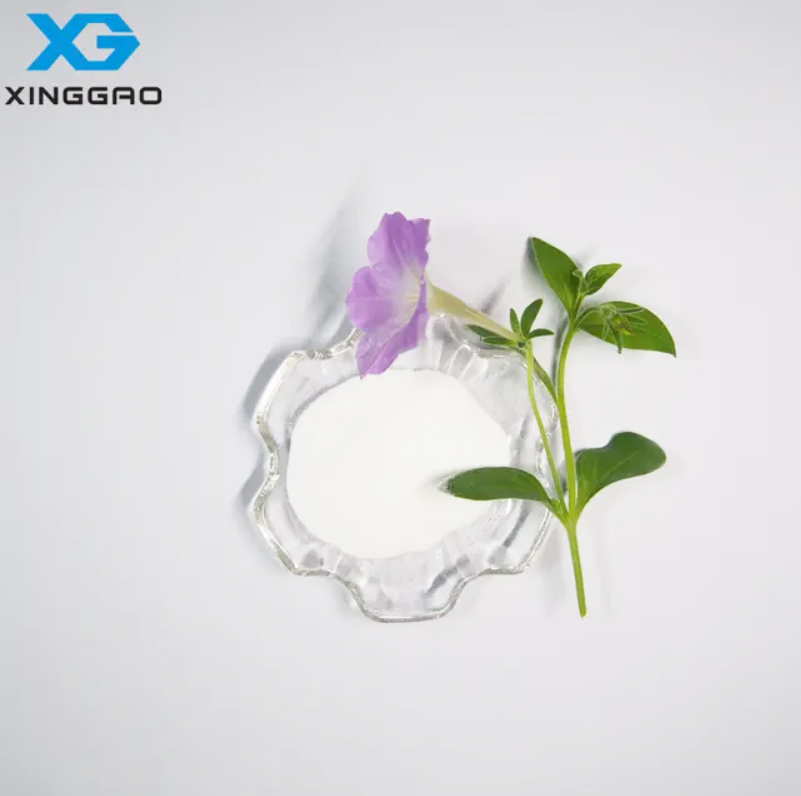
Pentadecanedioic acid
【Chemical Name】Pentadecanedioic acid
【Synonym】 1,15-PENTADECANEDIOIC ACID;1,15-PENTADECANOIC ACID;PENTADECANEDIOIC ACID;1,13-Tridecanedicarboxylic acid;Pentadecandioic acid;PENTADECANEDIOIC ACID 97+%;pentadecanediacid;DC-15
【CAS No】1460-18-0
【Molecular Formula】 C15H28O4
【Molecular Weight】272.38
【Properties】 Melting point: 113-114°C, Boiling point: 212°C at 16mm, Density: 0.9913 (approximate estimate), Refractive index: 1.4341 (estimate), Flash point: 212°C at
【Packing】25Kg/bag,500Kg/bag or package as your requirements.
【Usage】
It can be used to synthesize cyclopentadecanone, cyclopentadecanolide, and artificial muscone, which can replace natural musk to formulate various high-end traditional Chinese medicines, offering antibacterial, anti-inflammatory, and blood-activating effects.
【Introduction】
Pentadecanedioic acid indeed holds significant promise in the pharmaceutical industry due to its unique properties and versatile applications. Its ability to synthesize compounds like cyclopentadecanone, cyclopentadecanolide, and artificial muscone is particularly valuable, as these compounds are important in various medicinal and aromatic applications.
The antibacterial properties of pentadecanedioic acid make it an attractive ingredient for developing medications aimed at treating bacterial infections. This aligns with the growing demand for effective antibacterial agents, especially in an era where antibiotic resistance is a major concern.
Moreover, its use as a fragrance enhancer in pharmaceutical products adds an extra dimension to its utility. The compound's musk-like scent can improve the sensory experience of medicinal products, making them more appealing to consumers, which is particularly beneficial in the context of traditional Chinese medicines that often emphasize holistic and sensory aspects of healing.
The emphasis on natural and sustainable ingredients is increasingly important to consumers, and pentadecanedioic acid fits well into this trend. By offering a natural alternative to traditional musk, it appeals to environmentally-conscious consumers and aligns with the broader movement towards sustainable and eco-friendly products.
In summary, pentadecanedioic acid's multifaceted applications not only enhance the effectiveness and appeal of pharmaceutical products but also support industry trends towards sustainability and natural ingredients. This makes it a strategic choice for pharmaceutical companies aiming to innovate and meet consumer demands in traditional and modern medicine markets.


