
+86-18668977520
+86-18668977520

Views: 0 Author: Site Editor Publish Time: 2025-06-05 Origin: Site


When building an effective skincare routine, the combination of ingredients is crucial. Two of the most powerful ingredients you may have heard of are 3-O-Ethyl-L-ascorbic acid and retinol. Both have significant benefits for your skin, with 3-O-Ethyl-L-ascorbic acid brightening and protecting while retinol renews and regenerates. But what happens when you use them together? Is it safe and effective?
In this article, we’ll explore whether you can safely combine 3-O-Ethyl-L-ascorbic acid with retinol, how to use them together, and the benefits they can offer when included in your skincare regimen. Along the way, we’ll answer frequently asked questions, offer practical tips, and compare the effectiveness of both ingredients.
3-O-Ethyl-L-ascorbic acid, often simply referred to as 3-O-ethyl ascorbic acid, is a stable form of Vitamin C that’s widely used in skincare. Unlike traditional Vitamin C (L-ascorbic acid), 3-O-Ethyl-L-ascorbic acid is more stable and less prone to oxidation, making it a fantastic ingredient for brightening and protecting the skin.
This form of Vitamin C is highly effective at neutralizing free radicals, preventing environmental damage, and stimulating collagen production. It is also known for its ability to reduce hyperpigmentation, dark spots, and the visible signs of aging.
Stability: One of the biggest challenges with Vitamin C is its tendency to oxidize and lose effectiveness. 3-O-Ethyl-L-ascorbic acid is chemically modified to increase its stability and solubility in both water and oil, ensuring it remains active longer.
Skin Penetration: The ethyl group in its structure allows 3-O-Ethyl-L-ascorbic acid to penetrate the skin more efficiently, making it highly effective even in lower concentrations.
Unlike other forms of Vitamin C that can be irritating, 3-O-Ethyl-L-ascorbic acid is gentler on the skin. Its lower pH and slow absorption into the skin reduce the chances of irritation, making it a great option for those with sensitive or reactive skin.
Retinol is a form of Vitamin A that’s commonly used in skincare for its ability to promote cell turnover, reduce wrinkles, and improve skin texture. Retinol works by stimulating the skin’s natural regeneration process, helping to shed dead skin cells and encourage the formation of new, healthy ones.
Collagen Production: Retinol increases collagen production, which helps improve skin elasticity and firmness, making it effective in reducing fine lines and wrinkles.
Cell Turnover: By speeding up the rate at which skin cells turnover, retinol helps prevent clogged pores, making it an excellent ingredient for managing acne.
Texture and Tone: Consistent use of retinol results in smoother, more even skin tone and texture, making it a powerhouse ingredient for anti-aging.
While retinol offers numerous skin benefits, it can cause dryness, redness, and peeling, particularly for first-time users or those with sensitive skin. Starting with a lower concentration and gradually increasing use can help minimize these effects. It is also important to note that retinol can make the skin more sensitive to sunlight, so it’s generally recommended for nighttime use.
Both 3-O-Ethyl-L-ascorbic acid and retinol are incredibly effective in their own right, but can they be used together? The short answer is yes, but there are certain things to consider when incorporating both into your skincare routine.
Synergistic Effects: 3-O-Ethyl-L-ascorbic acid and retinol work well together because they address different aspects of skin health. While 3-O-Ethyl-L-ascorbic acid is focused on protecting the skin from oxidative stress and brightening the complexion, retinol targets the deeper layers of the skin to improve texture and reduce signs of aging. When used in tandem, they can work synergistically to promote more youthful, radiant skin.
Different Functions: While 3-O-Ethyl-L-ascorbic acid helps to protect and brighten the skin, retinol works by increasing cell turnover, which can sometimes lead to irritation. This is why it’s important to use them in a way that minimizes the potential for skin sensitivity.
3-O-Ethyl-L-ascorbic acid is a stable form of Vitamin C, unlike traditional L-ascorbic acid, which tends to be less stable when exposed to light and air. This stability makes 3-O-Ethyl-L-ascorbic acid a better partner for retinol in your routine, as it is less likely to lose its effectiveness or cause irritation when used together.
When layering both ingredients, the key is to apply them in the right order and give each time to be absorbed into the skin. The combination of these two ingredients can be a powerful way to reduce wrinkles, fade dark spots, and improve overall skin health.
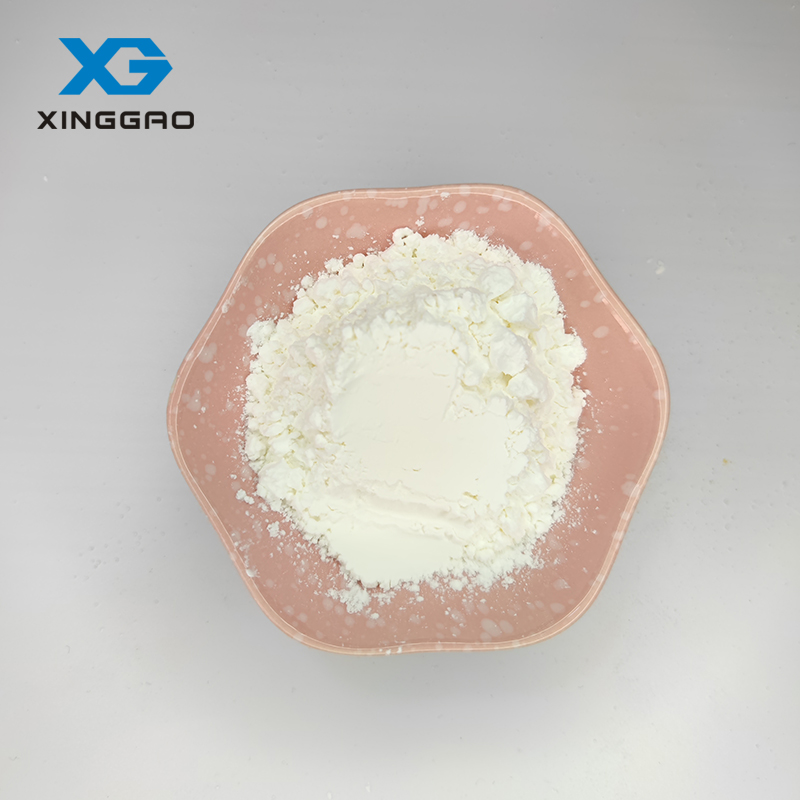
For best results, use 3-O-Ethyl-L-ascorbic acid in the morning. This allows the ingredient to act as an antioxidant, protecting your skin from environmental aggressors like UV rays, pollution, and free radicals.
Application: After cleansing, apply a few drops of 3-O-Ethyl-L-ascorbic acid serum to your face. Follow up with sunscreen to protect your skin from harmful UV radiation.
Why Morning Use is Best: Vitamin C works best in the morning because of its antioxidant properties. Pairing 3-O-Ethyl-L-ascorbic acid with SPF creates a powerful barrier against environmental damage, ensuring your skin stays protected throughout the day.
Retinol should be applied at night because it makes the skin more sensitive to sunlight. Using it at night helps the ingredient work effectively while your skin regenerates during sleep.
Application: After cleansing and applying 3-O-Ethyl-L-ascorbic acid in the morning, use a retinol product in your evening routine. Retinol works best after your skin has been cleansed and exfoliated, as this ensures better absorption.
How to Layer: Apply your retinol product after a short waiting period (about 30 minutes) following your moisturizer. This will allow your skin to absorb the ingredients properly.
If you have sensitive skin or are just starting out with retinol, alternating the days you use 3-O-Ethyl-L-ascorbic acid and retinol can be a great strategy. This helps to minimize the risk of irritation while still reaping the benefits of both ingredients.
Use Vitamin C (3-O-Ethyl-L-Ascorbic Acid) in the Morning
Use Retinol in the Evening
This alternating schedule allows your skin to benefit from both powerful ingredients without overwhelming it.
Using both 3-O-Ethyl-L-ascorbic acid and retinol in your skincare routine can provide remarkable results, but it’s essential to use these powerful ingredients correctly to avoid irritation. When these ingredients are not applied in the right way, they can cause dryness, redness, or peeling. However, with the proper technique, you can maximize their benefits while minimizing any discomfort.
Layering products correctly is key to ensuring that both 3-O-Ethyl-L-ascorbic acid and retinol can work effectively without causing skin irritation. Here are some tips for layering these two ingredients:
Step 1: Apply 3-O-Ethyl-L-Ascorbic Acid Serum First in the Morning
Start your morning routine with 3-O-Ethyl-L-ascorbic acid, as it works best when applied early in the day. 3-O-Ethyl-L-ascorbic acid provides antioxidant protection to help shield your skin from environmental stressors like UV rays and pollution. This form of Vitamin C penetrates the skin quickly and works to brighten and protect the skin’s barrier throughout the day.
Step 2: Apply Sunscreen After Absorption
After applying 3-O-Ethyl-L-ascorbic acid, allow it to absorb into the skin for a few minutes. This ensures the Vitamin C is working effectively before you apply sunscreen. Sunscreen is a must when using 3-O-Ethyl-L-ascorbic acid, as it further protects the skin from UV damage and helps to prevent additional pigmentation or irritation caused by sun exposure.
Step 3: Apply Retinol in the Evening
At night, after cleansing your face, apply a small amount of retinol. Retinol can make the skin more sensitive to sunlight, which is why it’s ideal for nighttime use. After applying retinol, follow up with a moisturizing product to replenish your skin and lock in hydration.
Tip: Allow Time Between Each Product
For optimal results and to minimize irritation, allow sufficient time between each product. 3-O-Ethyl-L-ascorbic acid should be absorbed into the skin before you apply sunscreen. Similarly, when using retinol, it’s important to allow your skin time to absorb it before applying moisturizer. Waiting about 20-30 minutes between products allows each ingredient to penetrate effectively without interference, ensuring that they deliver their full benefits.
When you’re new to using retinol, it’s crucial to start slowly to avoid overwhelming your skin. Retinol can be quite potent, and its exfoliating effects might cause initial dryness, peeling, or irritation, especially for those with sensitive skin.
Start with a Lower Concentration of Retinol
If you’ve never used retinol before, start with a lower concentration, such as 0.25% or 0.5%. This allows your skin to gradually adjust to the ingredient. Over time, as your skin becomes more tolerant, you can slowly increase the concentration.
Gradually Introduce Retinol into Your Routine
Rather than using retinol every night from the start, begin by applying it every other night or two to three times per week. This will give your skin time to acclimate without excessive irritation. As your skin builds tolerance, you can increase the frequency of use.
Hydrate and Moisturize
Using retinol can lead to dryness, so it’s essential to incorporate moisturizing products into your routine. Opt for hydrating serums or creams that help maintain your skin’s moisture barrier, reducing any potential dryness or flakiness caused by retinol use.
When used together, 3-O-Ethyl-L-ascorbic acid and retinol offer a powerful combination of benefits that address multiple skin concerns, including pigmentation, fine lines, wrinkles, and overall skin texture. Here’s how these two ingredients can complement each other:
The combination of 3-O-Ethyl-L-ascorbic acid and retinol delivers the best of both worlds: antioxidant protection and accelerated skin renewal.
Skin Brightening: 3-O-Ethyl-L-ascorbic acid works as a potent antioxidant that helps reduce the appearance of dark spots, sun damage, and hyperpigmentation. It helps to even out skin tone, giving your complexion a brighter and more radiant appearance.
Anti-Aging Benefits: Retinol, on the other hand, boosts collagen production and stimulates skin cell turnover, reducing the visibility of fine lines and wrinkles. By speeding up the regeneration process, retinol helps keep your skin youthful and fresh, while 3-O-Ethyl-L-ascorbic acid helps protect it from further damage.
Together, they create a powerful anti-aging duo that not only fights signs of aging but also prevents them from forming. The brightening effect from 3-O-Ethyl-L-ascorbic acid combined with the skin renewal properties of retinol helps to maintain a more youthful and radiant complexion.
Both 3-O-Ethyl-L-ascorbic acid and retinol play crucial roles in improving skin texture, firmness, and elasticity.
Retinol: As an exfoliant, retinol removes dead skin cells from the surface, revealing smoother and softer skin underneath. It also increases the production of collagen, a protein responsible for maintaining skin’s structure and elasticity. Regular use of retinol helps improve skin’s firmness and gives it a more supple, youthful appearance.
3-O-Ethyl-L-ascorbic acid: This stable form of Vitamin C contributes to the overall health of the skin by fighting off free radicals and protecting the skin’s barrier. In addition to brightening the skin, 3-O-Ethyl-L-ascorbic acid helps reduce signs of aging and supports skin’s collagen production, enhancing its elasticity.
By combining the skin-smoothing benefits of retinol with the collagen-boosting properties of 3-O-Ethyl-L-ascorbic acid, you can expect a marked improvement in the texture and firmness of your skin, making it look and feel smoother and more resilient.
3-O-Ethyl-L-ascorbic acid is well-known for its ability to address dark spots and hyperpigmentation. It works by inhibiting the production of melanin in the skin, which is responsible for dark spots and uneven skin tone.
Retinol also helps in this regard by promoting the shedding of the top layers of the skin, making it easier for 3-O-Ethyl-L-ascorbic acid to reach deeper layers and reduce pigmentation more effectively.
When used together, these ingredients create a dynamic solution for fading dark spots, acne scars, and sun-induced pigmentation. The result is an even, bright complexion free from discoloration.
Incorporating 3-O-Ethyl-L-ascorbic acid and retinol into your skincare routine can offer significant benefits, including improved skin texture, reduced wrinkles, and brighter, more even skin tone. When used correctly, these two ingredients work harmoniously to enhance your skin’s overall health. Be sure to follow the guidelines for usage and layering to avoid irritation and get the most out of your skincare routine.
By understanding the unique properties of 3-O-Ethyl-L-ascorbic acid and retinol, you can unlock the full potential of both ingredients, achieving smoother, brighter, and more youthful skin.Xinggao provides high-quality 3-O-Ethyl-L-ascorbic acid. Feel free to consult our experts if you need assistance.
Yes, but start slowly. If you have sensitive skin, begin by using one in the morning and the other at night, gradually incorporating them into your daily routine.
You may experience irritation if you apply them together without proper layering. Be sure to apply them at the right times and allow each product to be absorbed properly.
If you have sensitive skin, it’s best to start slowly. You may want to alternate their use or use 3-O-Ethyl-L-ascorbic acid in the morning and retinol at night.


