
+86-18668977520
+86-18668977520

Views: 0 Author: Site Editor Publish Time: 2025-09-01 Origin: Site


Have you ever wondered how the versatile chemical tetraethyl orthosilicate is made? This compound plays a crucial role in various industrial applications, from electronics to coatings. In this article, you'll learn about the production process of tetraethyl orthosilicate, its chemical composition, and its significance in the industry.
Tetraethyl orthosilicate (TEOS) is a silicon-based organic compound with a tetrahedral molecular structure. At its core lies a silicon atom bonded to four ethoxy groups (–OC2H5). This arrangement forms a symmetrical shape where each ethoxy group extends from the central silicon atom. The silicon atom in TEOS is tetravalent, meaning it forms four covalent bonds. This structure is crucial for its reactivity and applications, especially in forming silicon dioxide through hydrolysis.
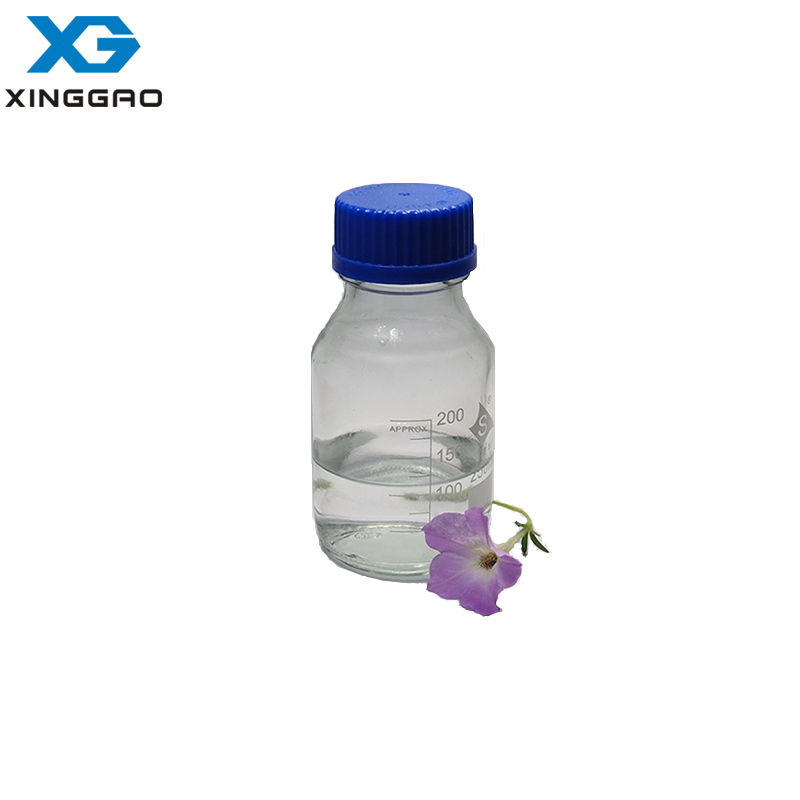
TEOS is a colorless, transparent liquid with a sharp, alcohol-like odor. It has a relatively low density of about 0.933 g/mL at 20 °C, making it lighter than water. Its boiling point ranges between 168 and 169 °C, and it has a melting point near –77 °C. The compound is flammable, with a flash point of approximately 45 °C, so proper handling is essential. TEOS is soluble in ethanol and 2-propanol but reacts readily with water, decomposing into silicon dioxide and ethanol.
The chemical formula of tetraethyl orthosilicate is Si(OC2H5)4. This formula indicates one silicon atom bonded to four ethoxy groups. The molecular weight of TEOS is 208.33 g/mol. It is also known by several synonyms, including tetraethoxysilane, ethyl silicate, and silicon tetraethoxide. The CAS number for TEOS is 78-10-4, which is used to uniquely identify this chemical substance in databases and regulatory documents.
| Property | Value |
|---|---|
| Molecular Formula | Si(OC2H5)4 |
| Molecular Weight | 208.33 g/mol |
| CAS Number | 78-10-4 |
| Physical State | Colorless liquid |
| Density | 0.933 g/mL at 20 °C |
| Boiling Point | 168–169 °C |
| Melting Point | –77 °C |
| Flash Point | 45 °C |
| Solubility | Reacts with water, soluble in ethanol and 2-propanol |
The unique combination of its molecular structure and physical properties makes TEOS a versatile chemical, widely used in industries ranging from coatings to semiconductor manufacturing.
Note: The tetrahedral structure of TEOS enables it to undergo controlled hydrolysis and condensation reactions, essential for producing high-purity silicon dioxide materials.
Tetraethyl orthosilicate (TEOS) is primarily produced through the alcoholysis of silicon tetrachloride (SiCl₄). This process involves reacting silicon tetrachloride with ethanol (C₂H₅OH). The reaction replaces the chlorine atoms in silicon tetrachloride with ethoxy groups (–OC₂H₅), forming TEOS and hydrogen chloride (HCl) as a byproduct:
SiCl₄ + 4 C₂H₅OH → Si(OC₂H₅)₄ + 4 HCl
This method is widely used due to its efficiency and the relatively straightforward purification of the product.
Ethanol serves both as a reactant and solvent in the production of TEOS. It provides the ethoxy groups that bond to silicon, forming the tetraethyl orthosilicate molecule. The purity of ethanol directly affects the quality of TEOS, as impurities can lead to incomplete reactions or byproduct formation. Anhydrous ethanol is preferred to prevent premature hydrolysis during synthesis.
The reaction proceeds via nucleophilic substitution. The lone pair electrons on ethanol’s oxygen attack the silicon center in silicon tetrachloride, displacing chloride ions. This step repeats four times until all chlorine atoms are replaced by ethoxy groups. The released hydrogen chloride gas must be continuously removed to drive the reaction forward and avoid side reactions.
Optimal production of TEOS requires controlled temperature and moisture-free conditions. The reaction typically occurs at room temperature or slightly elevated temperatures to balance reaction speed and product stability. Moisture must be minimized because water causes hydrolysis of TEOS, leading to silicon dioxide and ethanol, which lowers yield.
Key conditions include:
Use of dry, oxygen-free ethanol
Reaction temperature around 20–40 °C
Continuous removal of HCl gas
Inert atmosphere (e.g., nitrogen) to prevent moisture ingress
Manufacturing TEOS involves handling flammable and corrosive chemicals. Silicon tetrachloride reacts violently with water and releases toxic HCl gas. Ethanol is flammable, and TEOS itself has a flash point near 45 °C, requiring careful temperature control.
Safety measures include:
Working in well-ventilated fume hoods
Using personal protective equipment (PPE) such as gloves, goggles, and respirators
Employing gas scrubbers to neutralize released HCl
Storing chemicals in moisture-free, sealed containers away from ignition sources
Adhering to these precautions ensures safe and efficient TEOS production.
Tip: To maximize tetraethyl orthosilicate yield, maintain strictly anhydrous conditions and continuously remove HCl gas during the silicon tetrachloride alcoholysis reaction.
Tetraethyl orthosilicate (TEOS) is a highly versatile chemical widely used across various industries due to its unique properties and reactivity. Understanding its key applications helps explain why TEOS remains important in both research and manufacturing.
One of the primary uses of TEOS is as a cross-linking agent in silicone polymers. It acts by introducing silicon-oxygen bonds that connect polymer chains, improving mechanical strength and thermal stability. This makes silicone materials more durable and resistant to environmental factors. TEOS’s ability to form uniform films also enhances coatings, adhesives, and sealants in electronics and automotive sectors.
TEOS serves as a crucial precursor to silicon dioxide (SiO₂), especially in semiconductor manufacturing. Through controlled hydrolysis and condensation, TEOS converts into high-purity silica layers. These thin films are essential for insulating components, protecting chips, and forming gate oxides in integrated circuits. The sol-gel process using TEOS enables precise control over silica’s porosity and thickness, critical for advanced electronics.
Zeolites are microporous, aluminosilicate minerals used as catalysts and adsorbents. TEOS provides a reliable silica source during zeolite synthesis. Its reactivity allows for integration into the zeolite framework, influencing pore size and surface area. This application is vital in petrochemical refining, gas separation, and environmental cleanup, where tailored zeolite properties improve efficiency.
Aerogels are ultra-lightweight materials with excellent thermal insulation. TEOS is a common silica precursor in aerogel fabrication. It undergoes hydrolysis and gelation to form a silica network, which is then dried under supercritical conditions to yield aerogels. These materials find uses in aerospace, construction, and cryogenics, thanks to their low density and high surface area.
Tip: When sourcing tetraethyl orthosilicate for specialized applications, consider suppliers like Sigma-Aldrich or Merck, which offer reagent-grade TEOS with consistent purity and reliable documentation.
Tetraethyl orthosilicate (TEOS) undergoes hydrolysis when it comes into contact with water. In this reaction, the ethoxy groups (–OC₂H₅) are replaced by hydroxyl groups (–OH), leading to the formation of silicic acid and ethanol as a byproduct. The simplified reaction is:
Si(OC₂H₅)₄ + 4 H₂O → Si(OH)₄ + 4 C₂H₅OH
This hydrolysis is the first step in converting TEOS into silicon dioxide (SiO₂). The process is sensitive to moisture, which is why anhydrous conditions are essential during TEOS storage and handling to prevent premature hydrolysis.
The sol-gel process is a controlled chemical pathway that transforms TEOS into a solid silica network. After hydrolysis, the silicic acid molecules undergo condensation reactions, forming siloxane bonds (Si–O–Si). This leads to the formation of a gel-like network, which can be dried to produce silica materials such as xerogels or aerogels.
The sol-gel process allows precise control over the porosity and morphology of the final silica product. Catalysts such as acids or bases can accelerate hydrolysis and condensation, influencing the gelation time and structure.
Through hydrolysis and condensation, TEOS eventually converts into silicon dioxide, a valuable material in electronics, coatings, and ceramics. At elevated temperatures (above 600 °C), TEOS decomposes thermally, producing silicon dioxide and volatile organic compounds like diethyl ether:
Si(OC₂H₅)₄ → SiO₂ + 2 (C₂H₅)₂O
This thermal conversion is used in processes requiring high-purity silica films or coatings.
Catalysts play a crucial role in TEOS reactions. Acidic catalysts (e.g., HCl) promote hydrolysis, leading to faster formation of silicic acid. Basic catalysts (e.g., ammonia) accelerate condensation, resulting in quicker gelation. The choice and concentration of catalysts determine the size, uniformity, and porosity of the silica network formed.
Adjusting catalyst type and amount enables tailoring TEOS-derived materials for specific applications, such as thin films, membranes, or porous solids.
Tip: When performing sol-gel synthesis with TEOS, carefully select acid or base catalysts to control reaction rates and achieve desired silica structure and properties.
Tetraethyl orthosilicate (TEOS) is a flammable and irritating chemical. It poses risks mainly through inhalation and skin or eye contact. Exposure can cause irritation to the respiratory tract, eyes, and skin. High concentrations may lead to pulmonary edema, a serious lung condition. TEOS vapors have a flash point around 45 °C, so they can ignite easily near heat or open flames. Additionally, the hydrogen chloride (HCl) produced during its manufacturing is corrosive and toxic. Handling TEOS requires awareness of these hazards to prevent accidents and health issues.
When working with TEOS, personal protective equipment (PPE) is essential. Use chemical-resistant gloves and safety goggles or face shields to protect skin and eyes. Respiratory protection, such as a type ABEK respirator filter, is recommended in poorly ventilated areas or when vapor exposure is possible. Work in well-ventilated fume hoods to minimize inhalation risks. Flame-resistant lab coats and proper footwear also help reduce fire and contamination hazards. Following these guidelines ensures safe handling and reduces exposure risks.
Store tetraethyl orthosilicate in tightly sealed containers to prevent moisture ingress, which causes premature hydrolysis. Containers should be kept in cool, dry, and well-ventilated areas away from heat sources, sparks, and open flames. Use fire-resistant storage cabinets designed for flammable liquids (storage class 3). Label containers clearly with hazard warnings and the tetraethyl orthosilicate CAS number (78-10-4) for easy identification. Avoid storing TEOS near incompatible substances such as strong acids or bases. Proper storage preserves product integrity and reduces accident risks.
TEOS is regulated due to its flammability and health hazards. Occupational exposure limits include a recommended threshold limit value (TLV) of 10 ppm over an 8-hour workday and a permissible exposure limit (PEL) of 100 ppm. The immediate danger to life or health (IDLH) concentration is 700 ppm. Employers must comply with local and international chemical safety regulations, including OSHA and REACH standards. Safety data sheets (SDS) from suppliers like Sigma-Aldrich or Merck provide detailed handling and disposal instructions. Adhering to these standards protects workers and the environment.
Tip: Always store tetraethyl orthosilicate in moisture-free, flame-resistant containers and use appropriate PPE to ensure safe handling and minimize health risks.
Tetraethyl orthosilicate is primarily produced through the alcoholysis of silicon tetrachloride, involving ethanol as both a reactant and solvent. This process efficiently forms TEOS, a versatile compound used in various industries. Its applications include serving as a precursor to silicon dioxide and as a cross-linking agent in silicone polymers. Future prospects for TEOS remain promising, especially in advanced electronics and materials science. Jinan Xinggao Chemical Technology Co., Ltd. offers high-quality TEOS, providing significant value in diverse industrial applications.
A: Tetraethyl orthosilicate is made through the alcoholysis of silicon tetrachloride, where silicon tetrachloride reacts with ethanol to form tetraethyl orthosilicate and hydrogen chloride as a byproduct.
A: Ethanol provides the ethoxy groups needed to form tetraethyl orthosilicate and acts as a solvent in the reaction, influencing the quality of the final product.
A: The chemical formula of tetraethyl orthosilicate is Si(OC2H5)4, indicating one silicon atom bonded to four ethoxy groups.
A: Use personal protective equipment, work in well-ventilated areas, and store tetraethyl orthosilicate in moisture-free, flame-resistant containers to ensure safe handling.


