
+86-18668977520
+86-18668977520

Views: 0 Author: Site Editor Publish Time: 2025-04-28 Origin: Site


In the vast world of chemistry, not all chemicals are created equal. Among the many types, Fine Chemicals stand out as a distinct category—valued for their high purity, specific function, and complex manufacturing process. But what exactly makes them “fine”? Why is this term used, and how do Fine Chemicals differ from bulk or commodity chemicals? In this comprehensive guide, we’ll explore the origin of the term, industry insights, current trends, and the crucial role these substances play in modern science and industry.
Fine Chemicals, also referred to as “specialty chemicals” or “high-value chemicals,” are complex, single, pure chemical substances produced in limited quantities according to exacting specifications. These chemicals are primarily used as building blocks or intermediates in the manufacturing of products across various industries, including pharmaceuticals, agrochemicals, electronics, and biotechnology.
Unlike commodity chemicals, which are produced in massive volumes and used in a wide range of low-specificity applications, Fine Chemicals are made with precision, often in multi-step synthesis processes. This high level of control and customization is part of what earns them the designation “fine.”
The term “fine” in Fine Chemicals doesn’t refer to physical texture or size. Instead, it denotes purity, precision, and complexity in synthesis and formulation. The word “fine” is derived from the French word fin, meaning “delicate” or “refined,” and it’s used in the same context as in fine arts or fine dining—emphasizing sophistication and attention to detail.
Here’s what makes Fine Chemicals “fine”:
High Purity Levels (typically > 99%)
Complex Molecular Structures
Specialized Applications
Customized Synthesis Routes
Smaller Production Volumes
High Price Per Unit
| Feature | Fine Chemicals | Commodity Chemicals |
|---|---|---|
| Production Volume | Low (kilograms to tons) | High (thousands to millions of tons) |
| Purity | High (>99%) | Moderate |
| Complexity | Complex molecular structures | Simple or basic molecules |
| Price | High ($100s–$1,000s/kg) | Low ($0.5–$2/kg) |
| Applications | Niche and high-end uses | Broad and general applications |
| Manufacturing Process | Multi-step, batch synthesis | Continuous or large-scale batch processes |
| End Users | Pharma, biotech, electronics, agrochemical | Detergents, fuels, plastics, etc. |
According to market data from Grand View Research and MarketsandMarkets, the global Fine Chemicals market is expected to reach over USD 270 billion by 2030, growing at a CAGR of 5.5% between 2023 and 2030. This growth is fueled by the rising demand in pharmaceuticals, agrochemicals, personal care, and advanced materials.
Key factors contributing to the increased demand include:
R&D Investments in Drug Development
Innovation in Crop Protection
High-Tech Materials for Electronics
Personalized Medicine and Custom Formulations
Green Chemistry Initiatives
These industries require highly specific and clean intermediates—exactly what Fine Chemicals deliver.
A fresh topic in the industry is the growing use of biocatalysis and enzyme-based synthesis. This green chemistry approach allows for more sustainable, selective, and environmentally friendly production of Fine Chemicals, especially active pharmaceutical ingredients (APIs). These methods are not only reducing environmental impact but also helping manufacturers cut costs and improve yields.
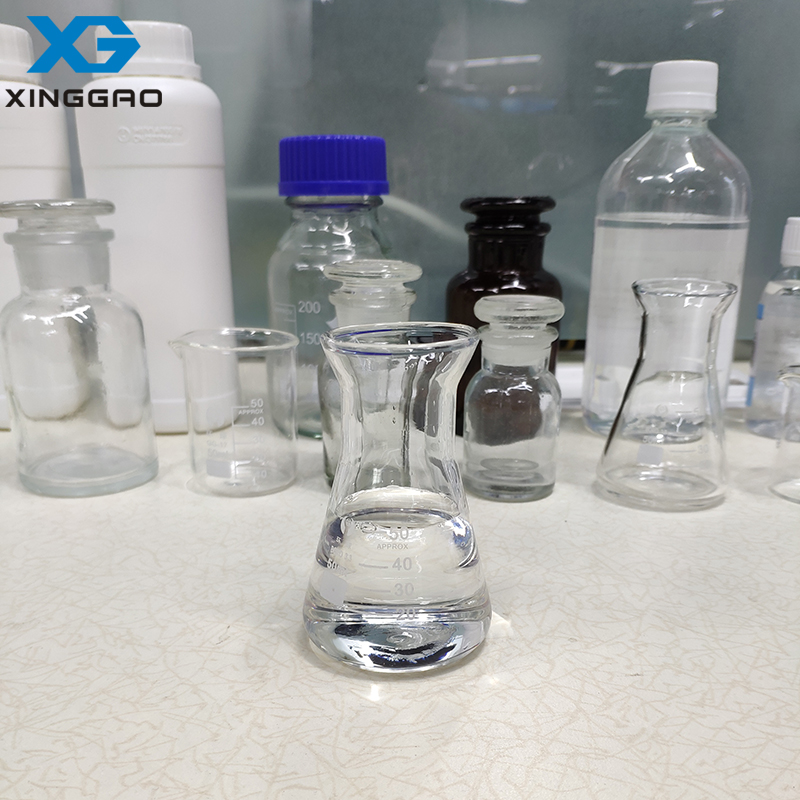
Let’s dive deeper into where Fine Chemicals are used and why they’re essential.
The pharmaceutical industry is the largest consumer of Fine Chemicals. These substances serve as:
Active Pharmaceutical Ingredients (APIs)
Intermediates in drug synthesis
Chiral building blocks for enantiomerically pure drugs
For instance, the synthesis of a cancer drug might involve more than 20 steps, many of which require ultra-pure Fine Chemicals.
In agriculture, Fine Chemicals are used to create:
Herbicides
Insecticides
Fungicides
Because regulatory requirements are stringent, high purity and low toxicity are crucial, making Fine Chemicals indispensable.
In microelectronics, Fine Chemicals are used in:
Photoresists
Etching agents
Conductive materials
These chemicals must be ultra-pure to prevent defects in microchips and semiconductors.
Fine Chemicals are the hidden heroes behind:
Fragrances
Cosmetic active ingredients
UV blockers and preservatives
Their formulation requires both chemical complexity and biocompatibility.
The process of producing Fine Chemicals is markedly different from that of bulk chemicals. The steps typically include:
Route Design – Extensive planning and simulation to create a cost-effective, scalable synthetic path.
Multi-Step Synthesis – Often involves 5–20 steps using various reagents and catalysts.
Purification – Sophisticated techniques such as recrystallization, distillation, chromatography, etc.
Characterization – Use of NMR, IR, MS, HPLC for structural confirmation and purity testing.
Due to this complexity, Fine Chemicals are typically manufactured in batch reactors, allowing for better control and traceability.
An increasingly vital aspect of the Fine Chemicals industry is custom synthesis. This involves tailoring chemical synthesis pathways to meet the specific needs of a client—often pharmaceutical or biotech firms.
Benefits of custom synthesis include:
IP Protection
Reduced Time to Market
Scalable Solutions from R&D to Commercialization
Enhanced Quality Control
Companies often outsource Fine Chemicals synthesis to specialized CDMOs (Contract Development and Manufacturing Organizations), which offer technical expertise and compliance with global standards such as GMP (Good Manufacturing Practices).
Producing Fine Chemicals can be resource-intensive, with potential environmental concerns due to solvent usage and byproduct generation. However, the shift toward green chemistry, process intensification, and flow chemistry is transforming this sector.
| Aspect | Traditional Method | Green/Modern Alternative |
|---|---|---|
| Solvent Use | Chlorinated/organic solvents | Water or bio-based solvents |
| Energy Usage | High | Optimized with continuous processing |
| Waste Generation | High | Reduced with catalyst reuse |
| Byproduct Management | Challenging | Minimized with selective synthesis |
This transformation not only improves sustainability but also aligns with ESG (Environmental, Social, and Governance) goals that many large corporations and investors now prioritize.
Some major players and regions dominating the Fine Chemicals landscape include:
BASF (Germany)
Lonza (Switzerland)
Evonik Industries (Germany)
WuXi AppTec (China)
Cambrex Corporation (USA)
Geographically, Europe, China, and North America lead the market, with India emerging as a growing hub for cost-effective Fine Chemicals production.
A Fine Chemical is characterized by its high purity, complexity, and specialized application. These chemicals are typically produced in small volumes and used as key intermediates in pharmaceuticals, agrochemicals, and electronics.
While the terms are sometimes used interchangeably, Fine Chemicals usually refer to pure, single compounds, while specialty chemicals can be formulations or mixtures tailored for a specific function.
Yes. Due to their complexity, precision, and low-volume production, Fine Chemicals can cost hundreds or even thousands of dollars per kilogram, compared to just a few dollars for commodity chemicals.
Common examples include:
Chiral intermediates for drugs
Vitamin precursors
Crop protection actives
High-purity acids for semiconductors
Regulations vary by industry. In pharma, GMP compliance is mandatory. Agrochemicals require environmental and safety approvals. Electronics-grade Fine Chemicals must meet exacting purity standards, often in the parts-per-billion range.
In conclusion, Fine Chemicals are aptly named for their sophistication, purity, and critical roles in high-end applications. Their name reflects a blend of precision chemistry and purposeful manufacturing, targeting the world’s most advanced industries. As demand grows for customization, sustainability, and innovation, Fine Chemicals will continue to shape the future of pharmaceuticals, electronics, and beyond.
Their production may be “fine” in scale, but their impact is nothing short of enormous.


