+86-18668977520
+86-18668977520

Views: 0 Author: Site Editor Publish Time: 2025-04-21 Origin: Site


Organic chemistry is a vast and intricate field that continues to influence nearly every sector of modern industry. From the production of pharmaceuticals to agricultural chemicals, dyes, and plastics, the backbone of this innovation lies in organic intermediates. But what exactly are they, and why are they so essential?
Organic intermediates are chemical compounds formed during the steps of a chemical reaction that lead to the final product. They are not end-products themselves but serve as crucial building blocks in various chemical synthesis pathways. Understanding their importance is vital not only for chemists but also for industries reliant on efficient production and innovation.
Organic intermediates are reactive molecules used in the synthesis of more complex compounds. These intermediates often appear temporarily during a reaction and then transform into the desired product after undergoing further chemical reactions. They are often isolated for use in industrial processes or synthesized as part of a multi-step production process.
For example, in the pharmaceutical industry, the production of a drug may require dozens of steps, with each involving organic intermediates such as esters, ketones, aldehydes, or nitriles. These intermediates are carefully controlled and modified to yield high-purity, effective compounds.
| Type of Organic Intermediate | Description | Common Usage |
|---|---|---|
| Aldehydes and Ketones | Carbonyl-containing compounds used as starting materials | Used in fragrances, resins, and pharmaceuticals |
| Halogenated Hydrocarbons | Compounds with halogen atoms like Cl, Br | Applied in solvents, insecticides |
| Amines | Nitrogen-containing intermediates | Precursor for dyes, rubber chemicals, and drugs |
| Esters | Derived from carboxylic acids | Used in solvents and flavors |
| Nitriles | Contain -CN group | Used in adhesives, synthetic rubbers |
These intermediates are indispensable in synthesizing fine chemicals, and their production is tightly regulated to meet purity and performance standards.
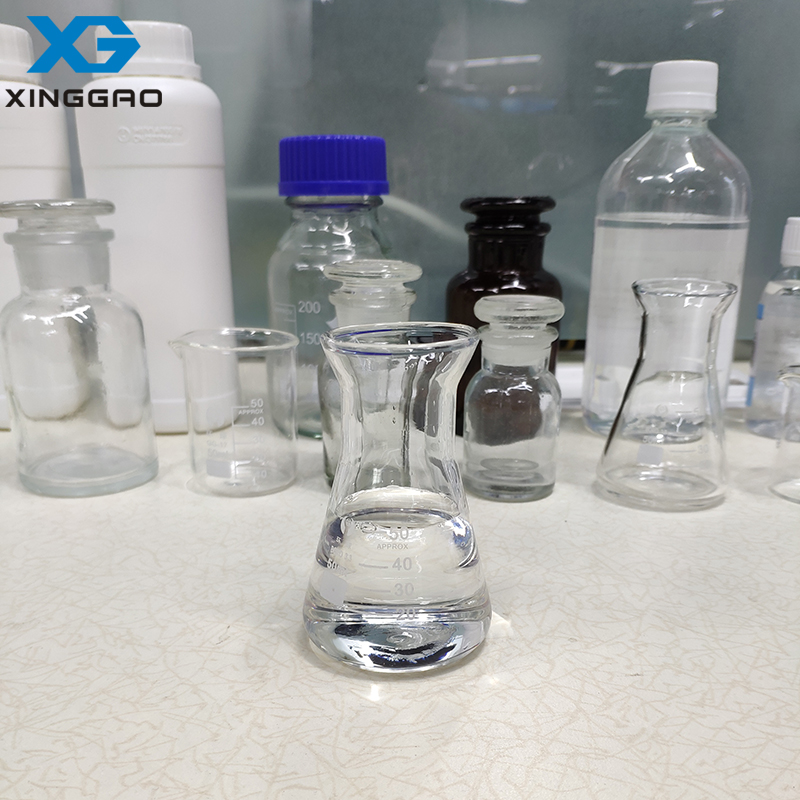
The importance of organic intermediates stems from their versatility and efficiency in developing high-value end products. Here’s how different industries rely on them:
Over 70% of drugs require one or more organic intermediates in their synthesis. Intermediates like amines, esters, and nitriles help construct the core structure of drug molecules. With the rising demand for complex and customized medications, the role of high-purity intermediates is more critical than ever.
Organic intermediates are key in synthesizing herbicides, fungicides, and pesticides. For example, halogenated hydrocarbons are often used in the synthesis of insecticides due to their stability and bioactivity.
Azo dyes, the most common class of synthetic dyes, are made using amines and nitriles. The brightness, fastness, and range of shades in dyes largely depend on the quality of the intermediates used.
Monomers used in the production of plastics like PET and PVC involve organic intermediates such as esters and halogenated hydrocarbons. These enable tailored properties such as flexibility, strength, or thermal resistance.
The global market for organic intermediates has been steadily growing due to expanding industrial applications. Let’s break it down:
| Year | Market Value (USD Billion) |
|---|---|
| 2020 | 120.4 |
| 2022 | 137.8 |
| 2024 (Est.) | 156.3 |
| 2027 (Forecast) | 185.5 |
This growth is primarily driven by the increasing demand for pharmaceuticals and agrochemicals, especially in emerging economies like India and Brazil.
Asia-Pacific: Largest producer and consumer due to industrialization and a strong chemical manufacturing base.
North America: High R&D investment in pharma and biotech fuels demand for advanced organic intermediates.
Europe: Focus on green chemistry and sustainable synthesis routes.
Producing organic intermediates involves the use of solvents and sometimes hazardous materials. As a result, the industry faces significant environmental challenges and regulations. Organizations are now moving toward:
Green Chemistry: Using renewable feedstocks, reducing waste, and minimizing toxicity.
Catalytic Processes: Employing catalysts to make reactions more efficient and less energy-intensive.
Recycling and Reuse: Reclaiming solvents and reagents to reduce environmental impact.
| Feature | Traditional Intermediates | Green Intermediates |
|---|---|---|
| Raw Materials | Often petroleum-based | Plant-based or biodegradable |
| Energy Consumption | High | Moderate to low |
| Environmental Impact | Significant | Minimal |
| Cost | Initially lower | Long-term cost-effective |
| Example | Halogenated benzene | Bio-based aldehydes |
This shift towards eco-friendly organic intermediates is gaining traction in both academic research and industrial applications.
Here is a comparison chart showing how different types of organic intermediates are applied:
| Intermediate Type | Application Example | Industry |
|---|---|---|
| Amines | Dye production, API synthesis | Pharma, Textile |
| Esters | Solvent in coatings | Paints, Food |
| Nitriles | Adhesive formation | Automotive, Aerospace |
| Ketones | Resin and polymer production | Construction, Electronics |
Understanding these applications helps companies tailor their supply chains and optimize raw material use.
Biocatalysis: Enzymes are now being used to produce organic intermediates under milder conditions, improving sustainability and cost-efficiency.
AI in Chemical Synthesis: Predictive algorithms are helping researchers design synthetic routes that use fewer steps and more accessible intermediates.
Continuous Manufacturing: Instead of batch processing, continuous synthesis offers better control and scalability, especially for pharmaceutical organic intermediates.
High-throughput Screening: Allows faster identification of suitable organic intermediates during R&D phases.
Renewable Feedstocks: Biomass-derived precursors are replacing fossil-based ones, reducing environmental footprints.
The production and sourcing of organic intermediates often require a globalized supply chain. Here are key factors companies consider:
Purity Standards: Especially critical in pharmaceutical applications.
Lead Times: Delays in one intermediate can stall entire production.
Compliance: Adherence to REACH, FDA, or other regional regulations.
Custom Synthesis: Many intermediates are tailor-made for specific formulations.
Pharmaceutical, agrochemical, polymer, dye, and fragrance industries are the major users of organic intermediates.
Some organic intermediates can be hazardous if not handled properly. However, most are produced under strict safety regulations to minimize risks.
Yes, green organic intermediates derived from renewable resources are now increasingly common, especially in environmentally-conscious industries.
Organic intermediates are precursors used to synthesize final products. They are not sold directly to end-users but are vital in the production process.
Catalysts speed up the reactions that convert organic intermediates into more complex molecules, improving efficiency and reducing costs.
This depends on the compound. Some are stable for years, while others degrade quickly and must be used immediately or stored under specific conditions.
Yes, many companies, especially in China, India, and Germany, specialize in bulk and custom synthesis of organic intermediates for global markets.
In conclusion, organic intermediates serve as the foundation of countless chemical syntheses and industrial processes. Their versatility, reactivity, and relevance across diverse sectors—from pharmaceuticals to plastics—make them indispensable in today’s manufacturing landscape. As trends shift towards sustainability and efficiency, the demand for high-quality, eco-friendly organic intermediates will only continue to grow. Companies that invest in smart sourcing, green chemistry, and innovative production methods will be best positioned to lead in this evolving market.