
+86-18668977520
+86-18668977520

Views: 0 Author: Site Editor Publish Time: 2025-08-25 Origin: Site


What makes DBU a standout in organic chemistry? This powerful base, known as 1,8-Diazabicyclo[5.4.0]undec-7-ene, plays a crucial role in various reactions. Its unique structure and properties enhance its effectiveness in synthesis. In this post, you'll learn about DBU's significance, its applications, and its historical development.
DBU, or 1,8-Diazabicyclo[5.4.0]undec-7-ene, is a bicyclic amidine base widely used in organic chemistry. Its chemical structure features a bicyclic framework with two nitrogen atoms positioned to create a strong basic site. This unique arrangement contributes to DBU’s high base strength and makes it an effective reagent in organic synthesis. The bicyclic structure provides rigidity, which influences its steric properties and reactivity in various chemical reactions.
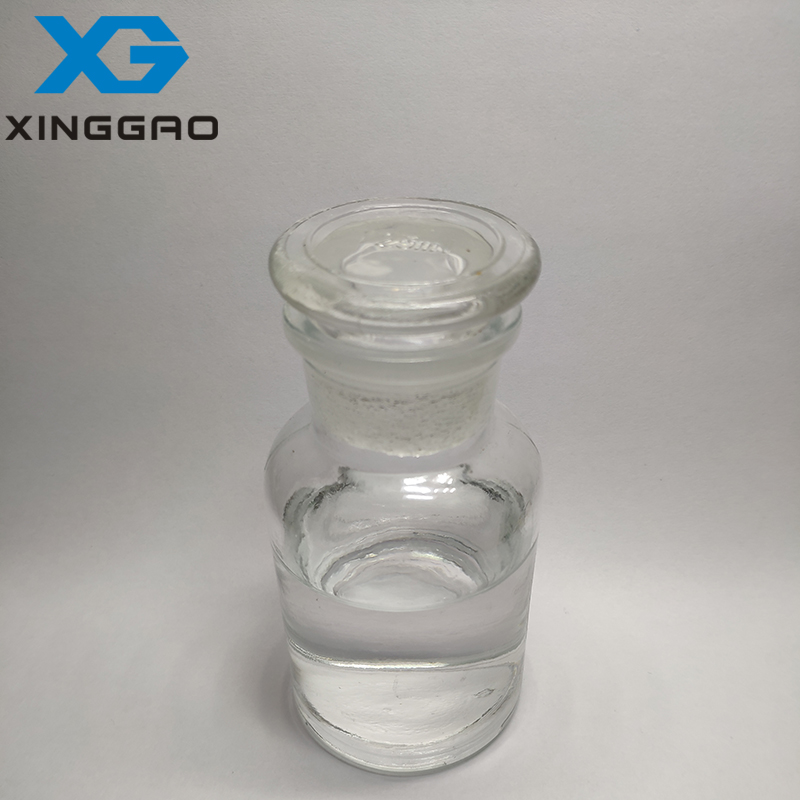
DBU is a colorless to pale yellow liquid at room temperature, with a relatively low melting point around -55°C and a boiling point near 190°C. It is soluble in many organic solvents such as dichloromethane, tetrahydrofuran (THF), and dimethylformamide (DMF), making it versatile in different reaction media. Its physical state and solubility profile facilitate its use as a catalyst or reagent in numerous organic transformations.
DBU is known for its strong basicity, often ranked among the stronger non-nucleophilic organic bases. This high base strength results from the resonance stabilization of its conjugate acid and the availability of lone pairs on the nitrogen atoms. Unlike many bases, DBU exhibits low nucleophilicity, which allows it to abstract protons without participating directly in nucleophilic substitution reactions. This property is central to its function in organic chemistry, where it often acts as a catalyst or base in elimination, deprotonation, and other reaction mechanisms.
Additionally, DBU’s chemical properties include:
High proton affinity: It efficiently deprotonates weak acids.
Non-nucleophilic behavior: Minimizes side reactions in synthesis.
Thermal stability: Remains active under a wide range of reaction conditions.
Compatibility: Works well with various functional groups, enhancing its application scope.
These properties make DBU a preferred reagent in many organic synthesis protocols, especially where strong, selective base strength is required without interfering nucleophilic activity.
Note: Understanding DBU’s molecular structure and properties is essential for selecting the right base in organic synthesis, ensuring optimal reaction outcomes and minimizing unwanted side reactions.
DBU is widely recognized as an efficient catalyst in organic synthesis. Its strong basicity and low nucleophilicity make it ideal for promoting various reactions without participating as a nucleophile. DBU often facilitates base-catalyzed transformations such as eliminations and cyclizations. For example, it can catalyze Michael additions and aldol condensations by deprotonating substrates to generate reactive intermediates. Because of its bicyclic amidine structure, DBU stabilizes transition states, accelerating reactions and improving yields. Its catalytic role is especially valuable in reactions requiring mild yet effective base conditions.
One of the primary uses of DBU in chemistry is its function as a strong, non-nucleophilic base for deprotonation. DBU’s high base strength allows it to abstract protons from weakly acidic compounds, enabling the formation of carbanions or enolates essential for further transformations. It is frequently employed to deprotonate carbon acids, alcohols, and amides in organic synthesis. Due to its steric hindrance and resonance stabilization, DBU minimizes unwanted side reactions, making it superior to other bases in selective deprotonation tasks. This property is crucial in creating reactive intermediates for subsequent nucleophilic substitution or elimination reactions.
Although DBU is primarily a base, it plays a supportive role in nucleophilic substitution reactions by generating nucleophilic species through deprotonation. It can facilitate SN2 reactions by removing acidic protons from nucleophiles, enhancing their reactivity toward electrophiles. DBU’s low nucleophilicity ensures it does not compete with the nucleophile, thereby maintaining high reaction selectivity. This makes DBU a preferred reagent in organic synthesis when precise control over substitution reactions is needed, particularly in the preparation of complex molecules.
DBU also finds applications in polymer chemistry, where it acts as a catalyst or initiator in polymerization reactions. Its strong basicity can initiate ring-opening polymerizations of cyclic esters or ethers, leading to controlled polymer growth. DBU’s ability to operate under mild conditions helps preserve sensitive functional groups during polymer synthesis. Additionally, it can catalyze step-growth polymerizations by activating monomers through deprotonation. These features make DBU valuable in producing specialty polymers and biodegradable materials in green chemistry contexts.
Tip: When using DBU as a catalyst, ensure reaction conditions favor its basicity without promoting side reactions, enhancing efficiency and selectivity in organic synthesis.
DBU is highly valued in organic synthesis due to its remarkable efficiency and selectivity. Its strong base strength allows it to rapidly deprotonate substrates, accelerating reaction rates without promoting unwanted side reactions. Unlike many bases, DBU’s low nucleophilicity ensures that it does not compete with nucleophiles or create by-products, making it ideal for selective transformations. This precision is crucial in complex organic syntheses where controlling reaction pathways determines product purity and yield. For example, in elimination reactions, DBU favors E2 mechanisms, leading to cleaner product profiles. Such efficiency reduces reaction times and improves overall productivity in the laboratory or industrial settings.
DBU contributes positively to greener chemistry practices. Its ability to catalyze reactions under mild conditions minimizes energy consumption and reduces the need for harsh reagents. Moreover, DBU’s compatibility with various solvents, including those considered environmentally benign, supports sustainable synthesis routes. Because it is reusable and stable under many reaction conditions, DBU helps lower chemical waste. These factors align with the principles of green chemistry, promoting safer and cleaner chemical processes. Using DBU as a catalyst or reagent can thus reduce the environmental footprint of organic synthesis workflows.
From a cost perspective, DBU offers significant advantages. Its high catalytic activity means smaller amounts are required compared to other bases, lowering reagent costs. Additionally, DBU’s stability and shelf life reduce losses due to degradation, enhancing economic efficiency. When considering the overall reaction efficiency and reduced purification steps, DBU often leads to cost savings in both research and production environments. This makes it a practical choice for chemists seeking balance between performance and budget. Its versatility across multiple reaction types further enhances its value as a multifunctional reagent in organic chemistry.
Tip: Optimize reaction conditions to leverage DBU’s high selectivity and base strength, achieving efficient syntheses with minimal side products and waste.
DBU and DABCO (1,4-diazabicyclo[2.2.2]octane) are both bicyclic amidine bases used in organic chemistry, but they differ significantly in base strength and steric properties. DBU possesses a higher base strength due to its unique bicyclic structure and the positioning of nitrogen atoms, which provide greater resonance stabilization of its conjugate acid. This makes DBU more effective in deprotonation reactions and as a catalyst in organic synthesis.
DABCO, while also a strong base, tends to be less sterically hindered and more nucleophilic than DBU. This can lead to increased side reactions in some cases, especially when nucleophilic attack is undesired. DBU’s lower nucleophilicity is an advantage in reactions requiring selective base strength without competing nucleophilic activity. However, DABCO is often preferred in reactions where nucleophilicity is beneficial, such as in certain substitution mechanisms or as a ligand in coordination chemistry.
Triethylamine (TEA) is a widely used organic base in laboratories, appreciated for its availability and moderate base strength. Compared to DBU, TEA is less basic and more nucleophilic, which can limit its use in reactions demanding strong, non-nucleophilic bases.
DBU’s superior base strength allows it to deprotonate weaker acids and facilitate reactions that TEA cannot efficiently catalyze. For example, in elimination reactions or enolate formations, DBU often outperforms TEA by providing cleaner reaction profiles and higher yields. Additionally, DBU’s bicyclic structure confers rigidity and steric hindrance, reducing unwanted side reactions that TEA’s more flexible and nucleophilic nature might cause.
That said, TEA remains popular for acid scavenging and mild base requirements due to its lower cost and ease of handling. DBU is chosen when higher basicity and selectivity are critical.
Pyridine is a heterocyclic aromatic base commonly used as a solvent and base in organic synthesis. It is significantly less basic than DBU and more nucleophilic, which affects its role in chemical reactions.
DBU’s strong base strength and low nucleophilicity make it more effective in deprotonation and catalytic roles, especially in reactions sensitive to nucleophilic interference. Pyridine, on the other hand, often acts as a mild base and ligand, useful in reactions where moderate basicity and coordination capability are needed.
In terms of reaction mechanisms, DBU favors pathways requiring strong bases without nucleophilic participation, such as E2 eliminations or Michael additions. Pyridine may participate in side reactions due to its nucleophilicity and is less effective in generating reactive intermediates via deprotonation.
Tip: When selecting a base for organic synthesis, consider DBU’s strong, non-nucleophilic nature for selective deprotonation and catalysis, especially when avoiding side reactions common with DABCO, TEA, or pyridine.
DBU should be stored in tightly sealed containers to prevent moisture and air exposure, as it is hygroscopic and can absorb water from the atmosphere. Store it in a cool, dry, and well-ventilated area, away from sources of ignition or strong oxidizers. Because of its chemical properties, DBU is typically kept in corrosion-resistant containers, such as glass or certain plastics, to avoid degradation or reaction with the container material. Proper labeling is essential to ensure safe handling by all personnel.
When working with DBU in the laboratory or industrial settings, use appropriate personal protective equipment (PPE), including gloves, safety goggles, and lab coats. DBU is a strong base and can cause skin and eye irritation upon contact. Avoid inhaling vapors by working in a well-ventilated fume hood. Since DBU is reactive, especially with acids and moisture, handle it with care to prevent accidental spills or reactions. Using spill trays and secondary containment can minimize risks during transfer or measurement.
In case of skin contact, immediately rinse the affected area with plenty of water for at least 15 minutes and remove contaminated clothing. For eye exposure, flush eyes with water for at least 15 minutes and seek medical attention promptly. If inhaled, move the person to fresh air and monitor breathing; seek medical help if symptoms persist. Ingestion requires immediate medical attention—do not induce vomiting unless directed by a medical professional. Having safety data sheets (SDS) accessible ensures quick reference for first responders and lab personnel.
Tip: Always conduct risk assessments before using DBU, and ensure emergency equipment like eyewash stations and safety showers are readily available in areas where DBU is handled.
Recent studies on DBU have focused on expanding its role beyond a traditional base and catalyst in organic synthesis. Researchers are exploring DBU’s potential in novel reaction mechanisms, such as asymmetric catalysis and tandem reactions, where it helps create complex molecules more efficiently. Advances in computational chemistry have provided deeper insights into the DBU reaction mechanism, elucidating how its bicyclic amidine structure stabilizes transition states and intermediates. This understanding enables chemists to design more selective and faster reactions using DBU. Additionally, modifications to DBU’s structure are being investigated to tailor its base strength and solubility for specific synthetic challenges.
DBU’s properties align well with green chemistry principles, making it a valuable reagent in sustainable organic synthesis. Its ability to catalyze reactions under mild conditions reduces energy consumption and minimizes hazardous waste. For example, DBU has been employed in solvent-free reactions and in environmentally benign solvents, reducing the environmental footprint of chemical processes. Moreover, DBU’s recyclability and stability contribute to waste reduction, supporting circular chemistry approaches. Researchers are also exploring DBU-catalyzed polymerizations to produce biodegradable polymers, which address environmental concerns related to plastic waste.
Looking ahead, DBU’s applications are expected to grow in pharmaceutical synthesis, materials science, and green manufacturing. Its versatility as a reagent and catalyst makes it suitable for complex molecule assembly and fine chemical production. Innovations in DBU synthesis aim to improve cost-efficiency and scalability, enhancing its industrial adoption. Furthermore, integrating DBU into flow chemistry and automated synthesis platforms could streamline production processes. Ongoing research into DBU derivatives may unlock new reaction pathways and improve selectivity, broadening its function in chemistry.
Tip: Stay updated on DBU research to leverage its evolving applications in green chemistry and advanced organic synthesis for sustainable and efficient processes.
DBU is a potent non-nucleophilic base, crucial in organic chemistry for its efficiency and selectivity. It excels in deprotonation, catalysis, and polymerization, offering versatility in synthesis. Its strong base strength and low nucleophilicity ensure minimal side reactions, enhancing reaction outcomes. DBU's role in green chemistry aligns with sustainable practices, reducing waste and energy use. Jinan Xinggao Chemical Technology Co., Ltd. provides DBU, emphasizing its cost-effectiveness and reliability, making it a valuable asset in various chemical applications.
A: DBU, or 1,8-Diazabicyclo[5.4.0]undec-7-ene, is a strong, non-nucleophilic base used in organic chemistry for deprotonation and catalysis due to its unique bicyclic amidine structure and high base strength.
A: The bicyclic amidine structure of DBU enhances its base strength by providing resonance stabilization to its conjugate acid, making it effective in deprotonation reactions without nucleophilic interference.
A: DBU's strong base strength and low nucleophilicity make it ideal for selective deprotonation and catalysis, minimizing side reactions compared to other bases like TEA or pyridine.
A: DBU should be stored in a cool, dry place and handled with PPE due to its strong basicity, which can cause skin and eye irritation. Proper ventilation and spill containment are essential.
A: DBU acts as a catalyst by facilitating base-catalyzed transformations such as eliminations and cyclizations, leveraging its strong basicity while avoiding nucleophilic side reactions.


